
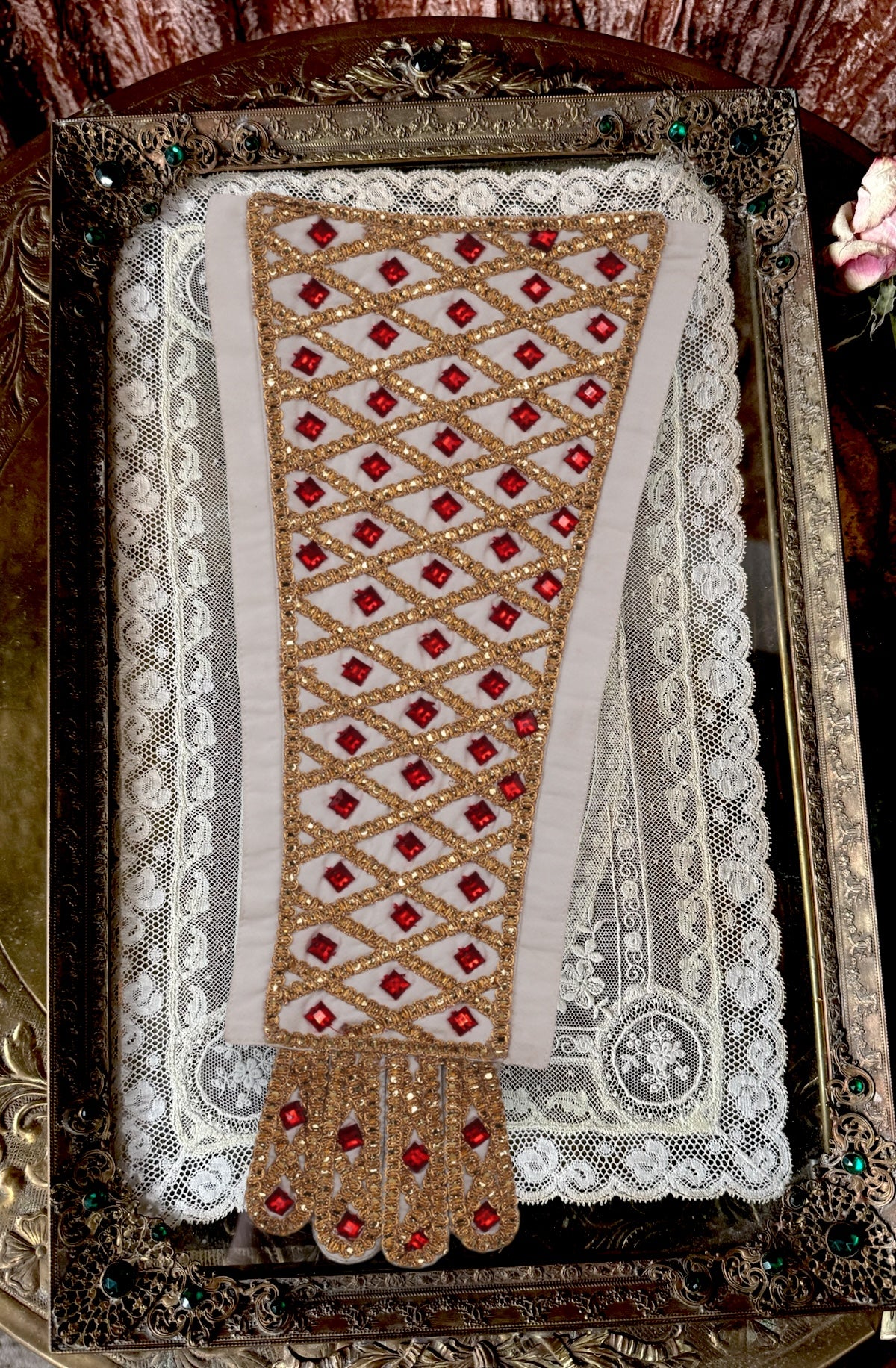
Corset Dress Stomacher - Cream Tudor Jeweled Royal Ruby
Immortelle exclusive Jewelry for your corset bodice "devant de corsage"...
The Immortelle stomacher; also called a devant de corsage is a piece of jewelry for your Immortelle gown or Immortelle corset. Our Corset Dress Stomacher - Cream Tudor Jeweled Royal Ruby is designed to be worn on or over the centre panel of our Immortelle corsets or gowns and dresses.
Devised in the 18th and 19th century; gown, corset and dress stomachers became opulent, eye-catching pieces of "jewelry' to be worn with formal court robes (our Immortelle gowns) or ball gowns. These beautiful pieces that enhance your gown have been likened to social status of the tiara. This Corset Dress Stomacher - Cream Tudor Jeweled Royal Ruby is no exception.
Each Immortelle stomacher has been thoughtfully designed and handcrafted while paying homage to historical designs and victorian inspiration. This Corset Dress Stomacher - Cream Tudor Jeweled Royal Ruby is the perfect accoutrement for our beautiful Immortelle couture gowns and corsets.
Choose options
An Interchangeable Element of the Corset Gown
The Immortelle Stomacher & 18th Century Dress — Frequently Asked Questions
An Immortelle stomacher is a removable front panel designed to be worn with an Immortelle corset gown.
Rooted in 18th-century dress, the stomacher historically served as both structural and decorative centerpiece, shaping the bodice while displaying the finest embroidery, lace, and embellishment. At Immortelle, this tradition is honored through interchangeable, hand-crafted stomachers that allow a single gown to transform in mood and expression.
Each piece is individually made, never reproduced, and intended as a lasting element of the gown’s design rather than a fixed detail.
The stomacher emerged in European dress during the late 16th century but reached its height of refinement and visibility in the 17th and 18th centuries. It was most closely associated with court dress, particularly in France and England, where open-front gowns required a structured and decorative center panel.
By the 18th century, the stomacher had become a defining feature of the robe à la française and other formal gowns. It functioned both as a structural garment element and as a decorative focal point.
A stomacher is a decorative and structural front panel worn at the center of a gown or corset bodice, most commonly during the 17th and 18th centuries.
Historically, a stomacher served three primary purposes:
1. To Fill the Open Front of a Gown
Many 18th century gowns — particularly the robe à la française — were constructed with an open center front. The stomacher filled this space, creating a continuous vertical silhouette.
2. To Display Ornamentation
Stomachers were often the most elaborately decorated portion of a gown, featuring embroidery, jeweled elements, silk bows, lace, and metallic threadwork.
3. To Reinforce Structure
While not a corset itself, the stomacher added visual stability and architectural clarity to the bodice.
In modern historical fashion, removable stomachers allow a corset gown to transform in tone and ceremony without altering its base structure.
Explore contemporary interpretations in our [Stomacher Collection].
Traditionally, a stomacher was worn over stays (the 18th century precursor to the corset) and secured to the outer gown.
It was typically:
- Pinned into place
- Tied with concealed lacing
- Secured beneath the bodice edges
The corset (or stays) shaped the body.
The stomacher completed the outer silhouette.
In modern corset gowns, removable stomachers may attach with discreet loops, hidden fastenings, or structured insertion points — preserving historical proportion while allowing ease of wear.
A stomacher is not the corset itself; it is the ceremonial front panel that finishes the garment.
Stomachers were most prominent during the late 17th and 18th centuries, particularly between 1700 and 1780.
They became a defining feature of Baroque and Rococo court dress, especially in French fashion during the reigns of Louis XV and Louis XVI.
The robe à la française, one of the most iconic silhouettes of the period, relied on the stomacher to complete its open-front construction.
By the late 18th century, fashion shifted toward closed bodices and new structural lines, gradually reducing the prominence of the stomacher in everyday dress.
Today, stomachers remain central to historical reenactment, Renaissance faire attire, and atelier reinterpretations of 18th century fashion.
Yes.
While stomachers were often styled with panniers or side hoops in the 18th century, they do not require them.
The stomacher functions independently of skirt width. It is a bodice element, not a structural under-skirt support.
You may wear a stomacher:
- With a fitted corset gown
- Over modest skirt volume
- With side hoops
- With full panniers
The choice affects the silhouette of the skirt, not the function of the stomacher itself.
In contemporary design, removable stomachers allow for versatility — whether styled for full historical volume or modern restraint.
A stomacher is a specific historical form of bodice panel used in 17th and 18th century dress.
A bodice panel is a general construction term for any inserted fabric piece in the bodice area of a garment.
All stomachers are bodice panels.
Not all bodice panels are stomachers.
The distinction lies in:
- Historical specificity
- Shape (often triangular or elongated)
- Placement (center front of open gowns)
- Decorative prominence
Understanding this distinction preserves the integrity of historical terminology in modern corsetry.
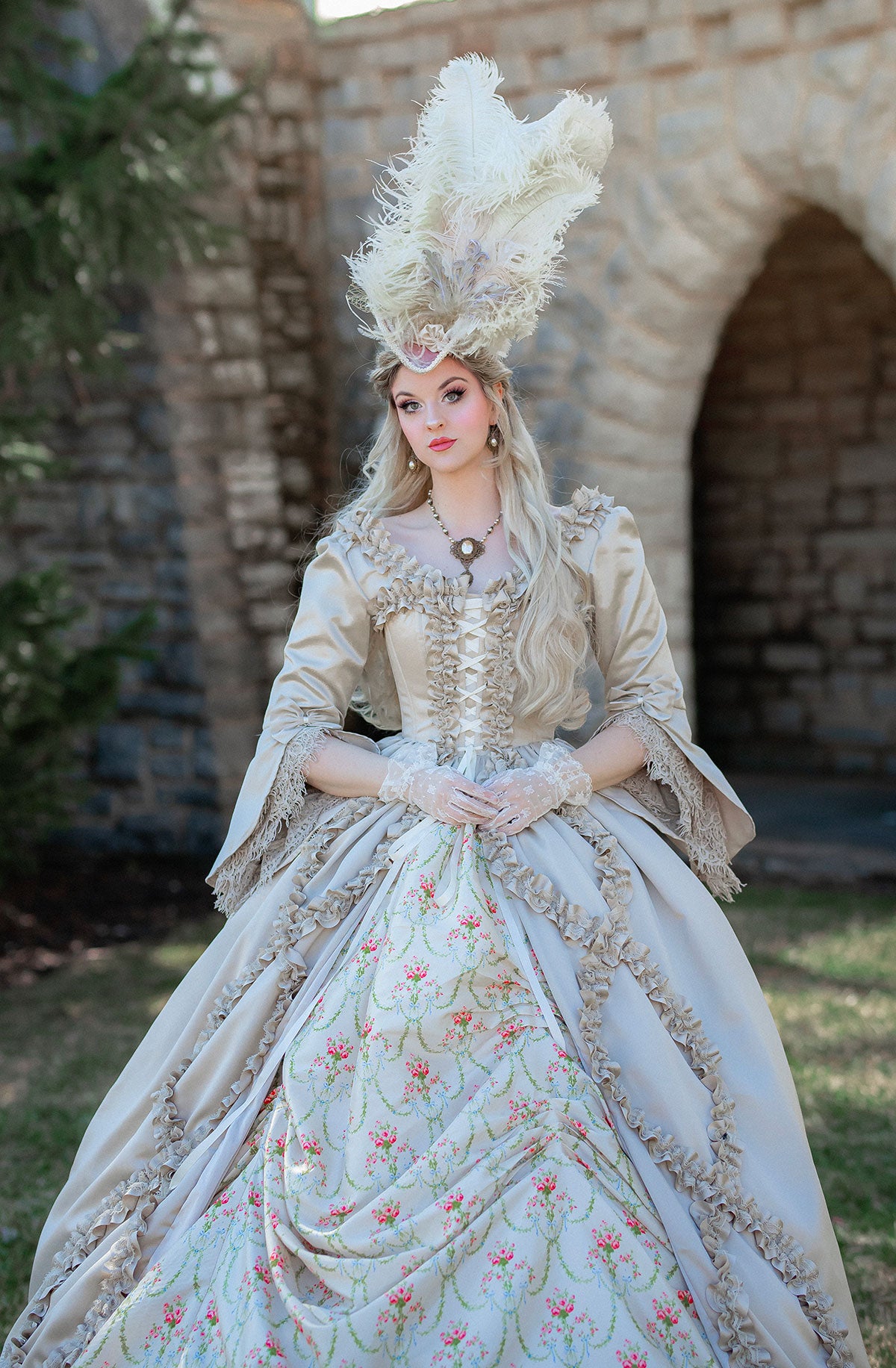
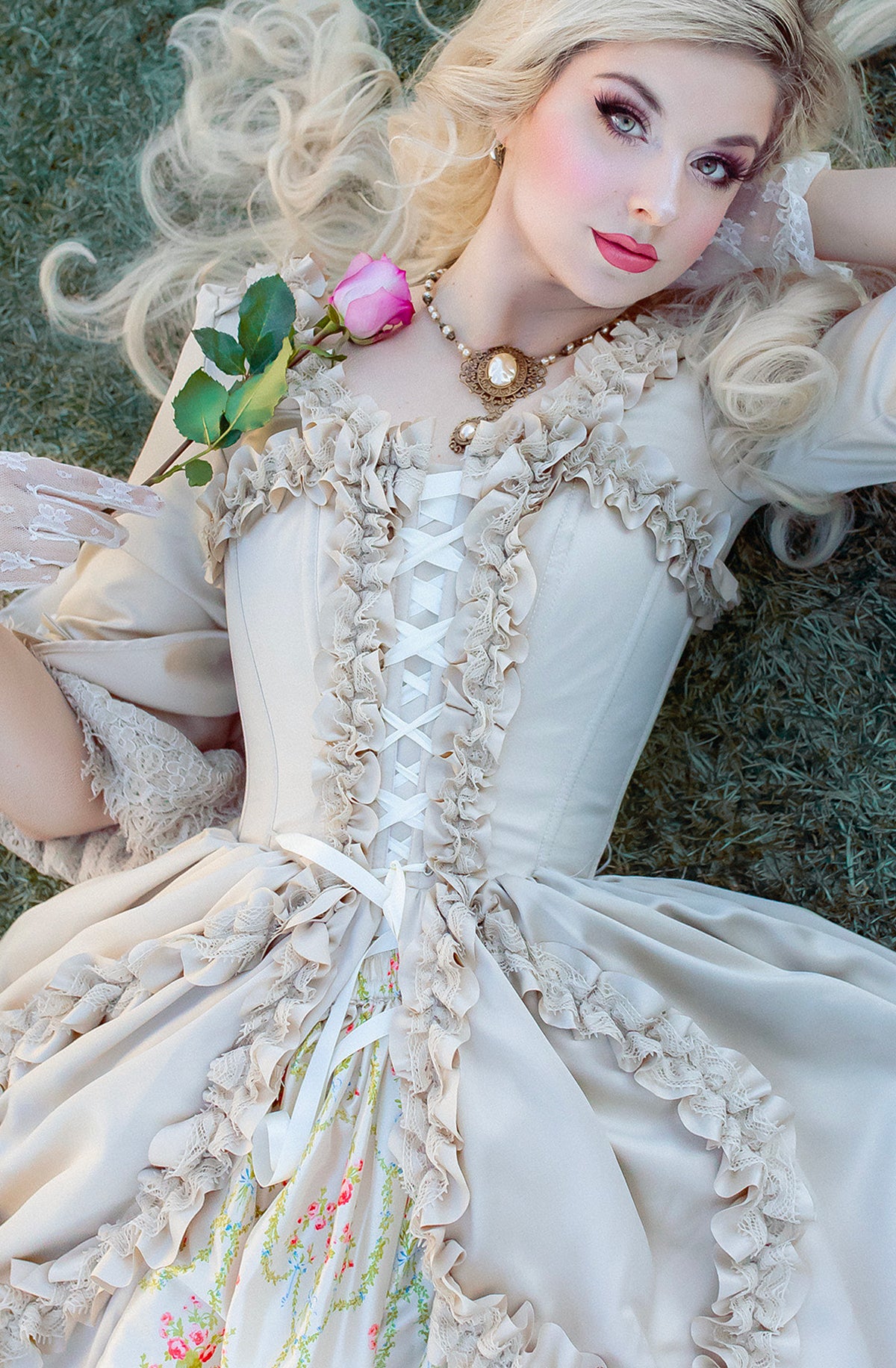
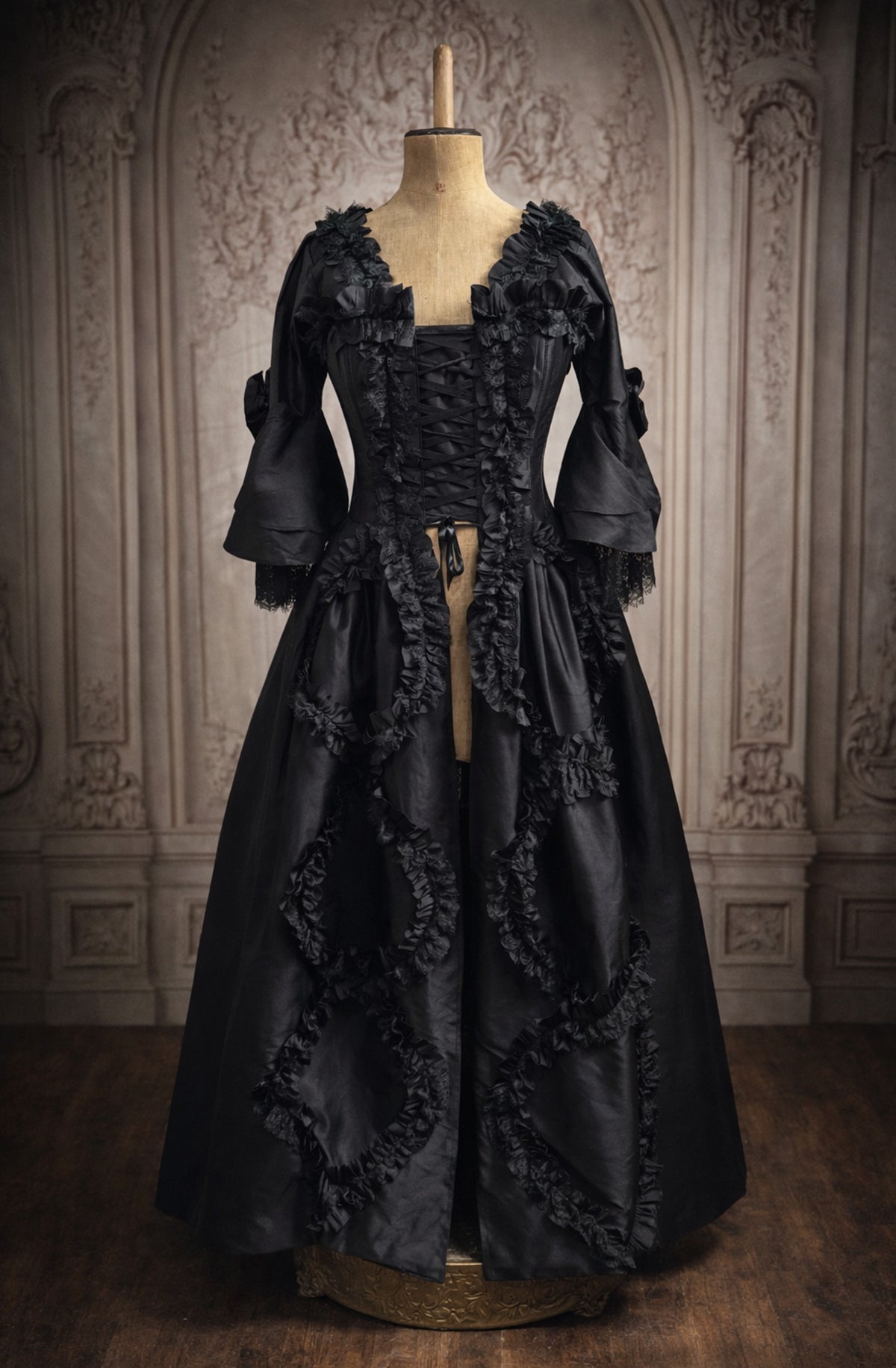
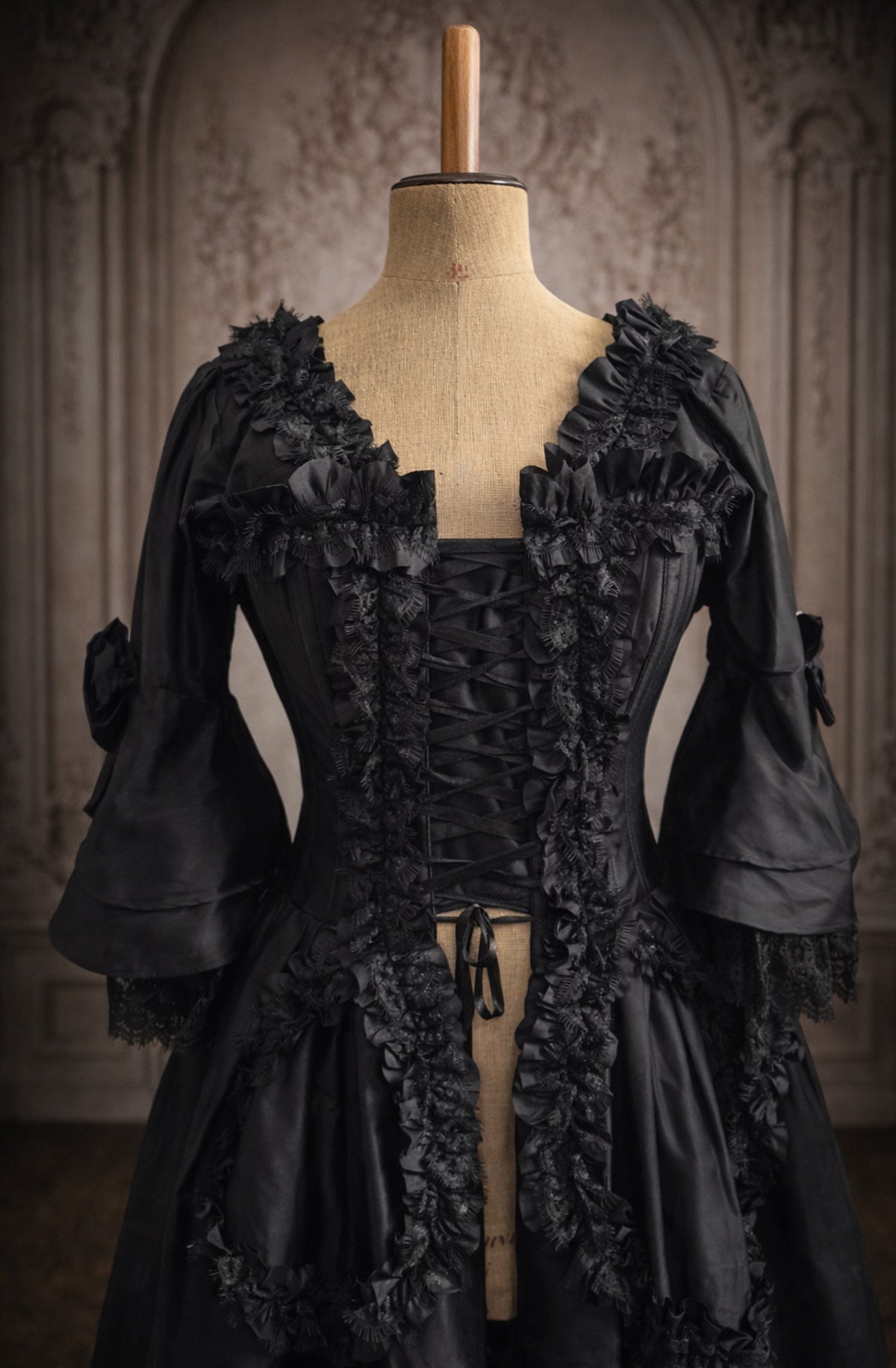
Designed to receive the stomacher
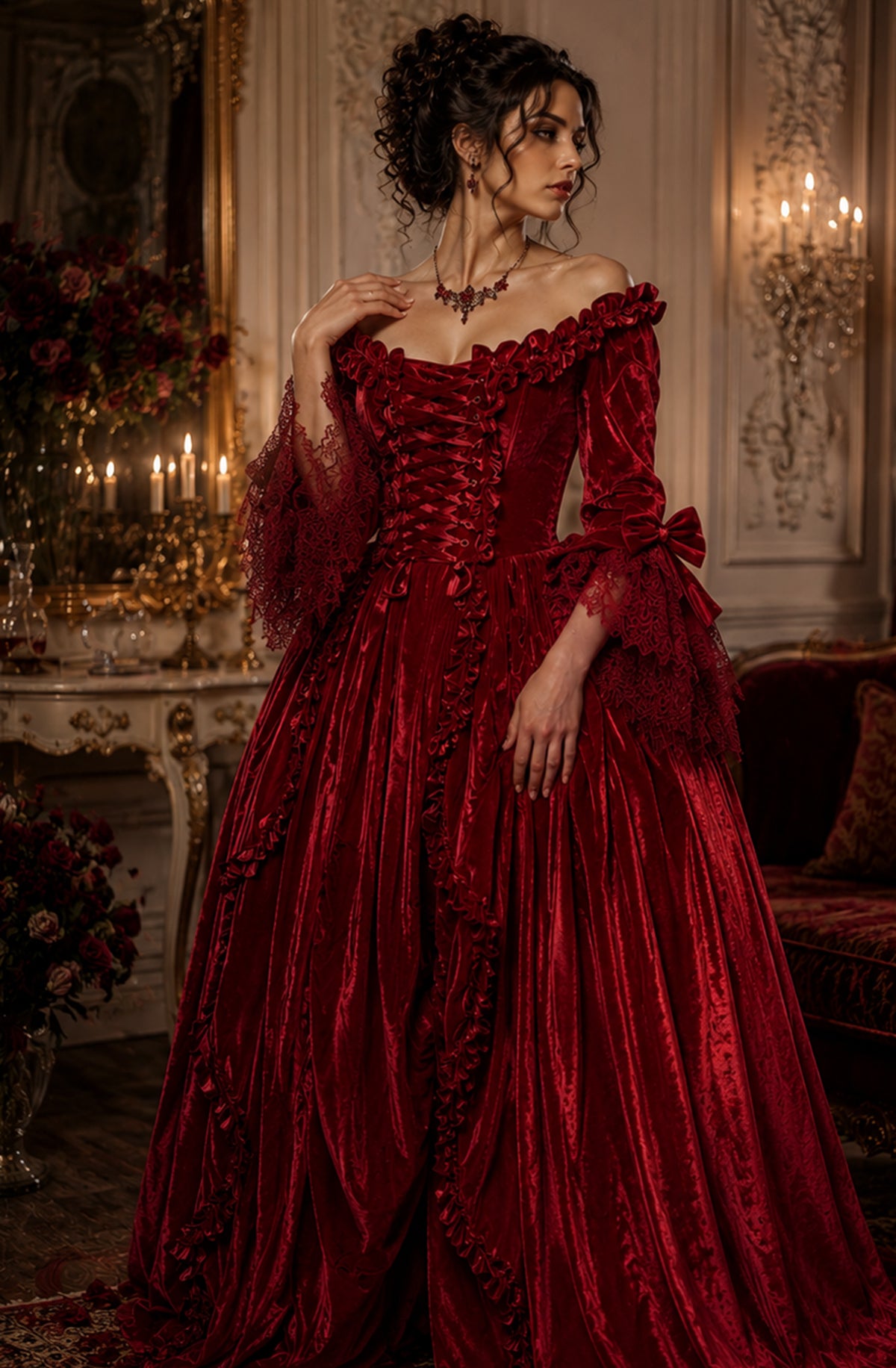
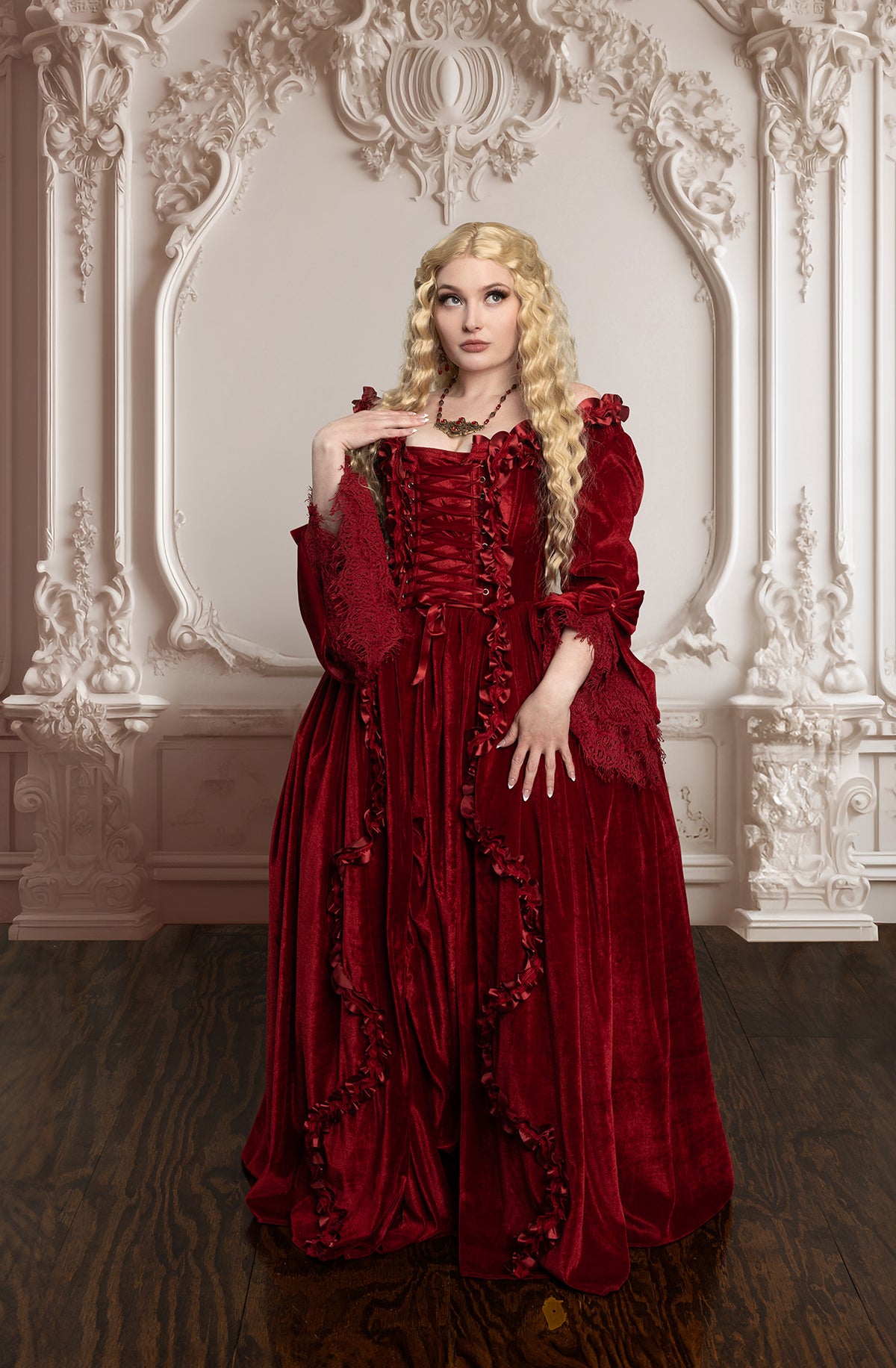
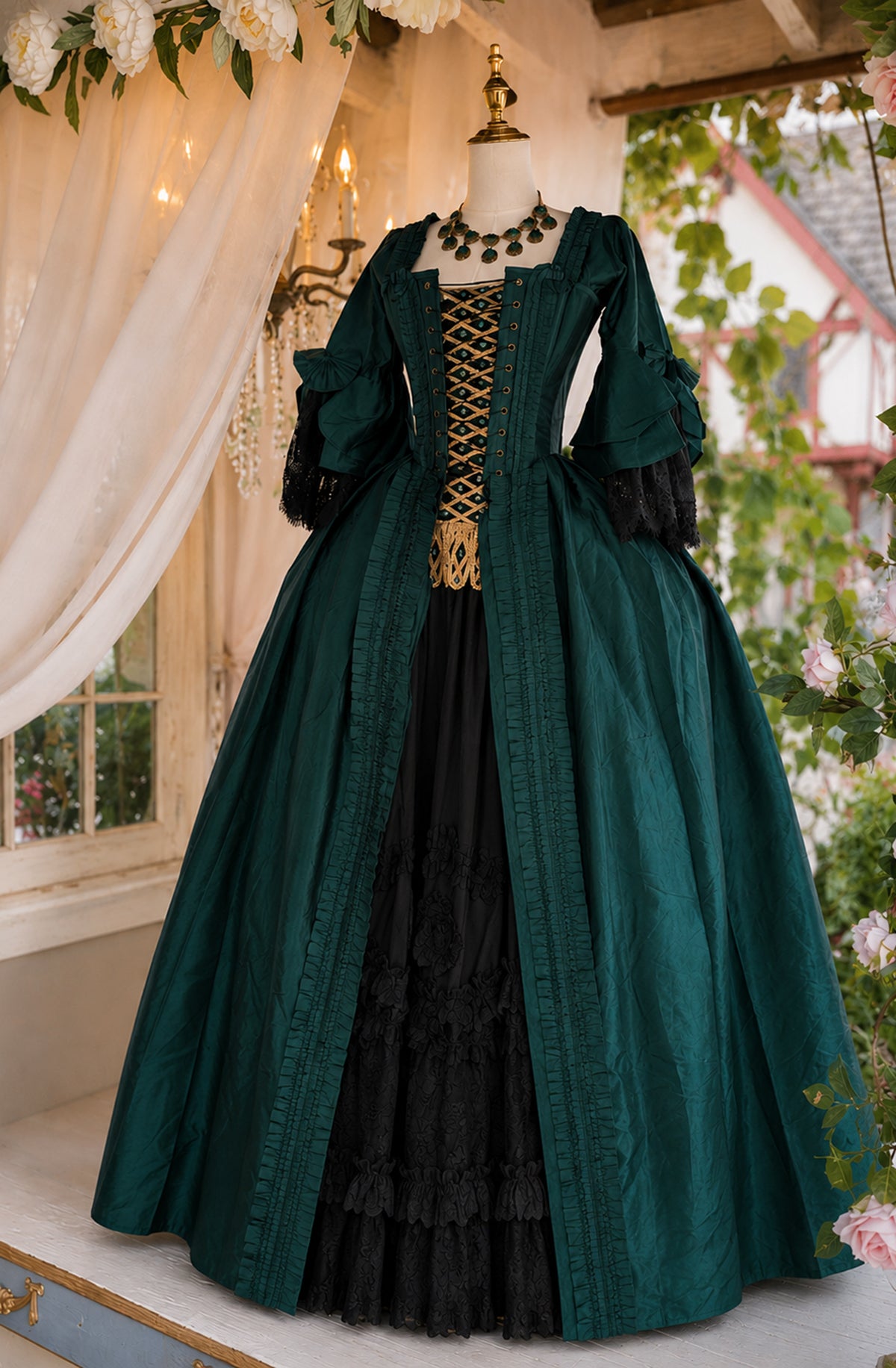
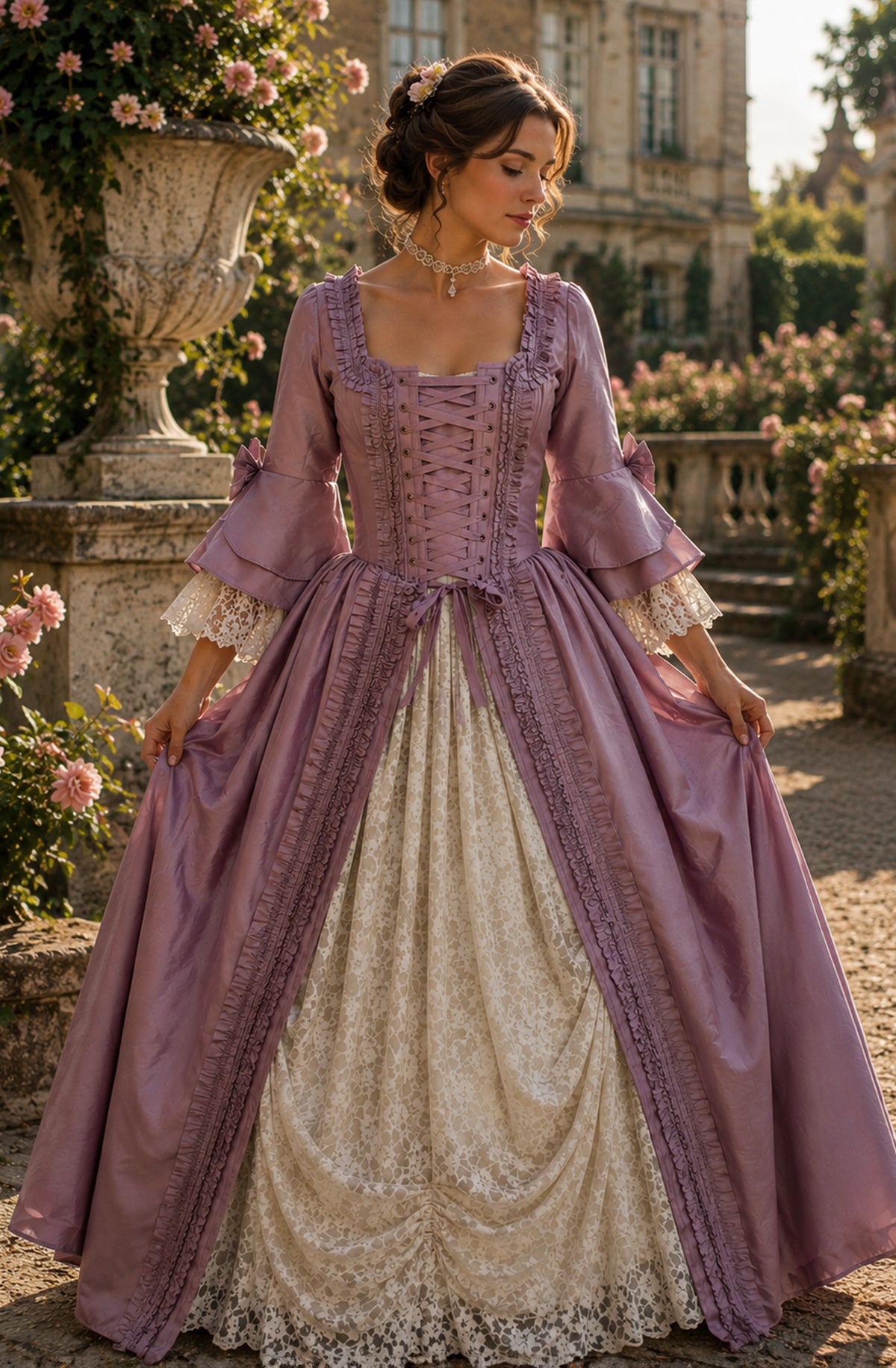
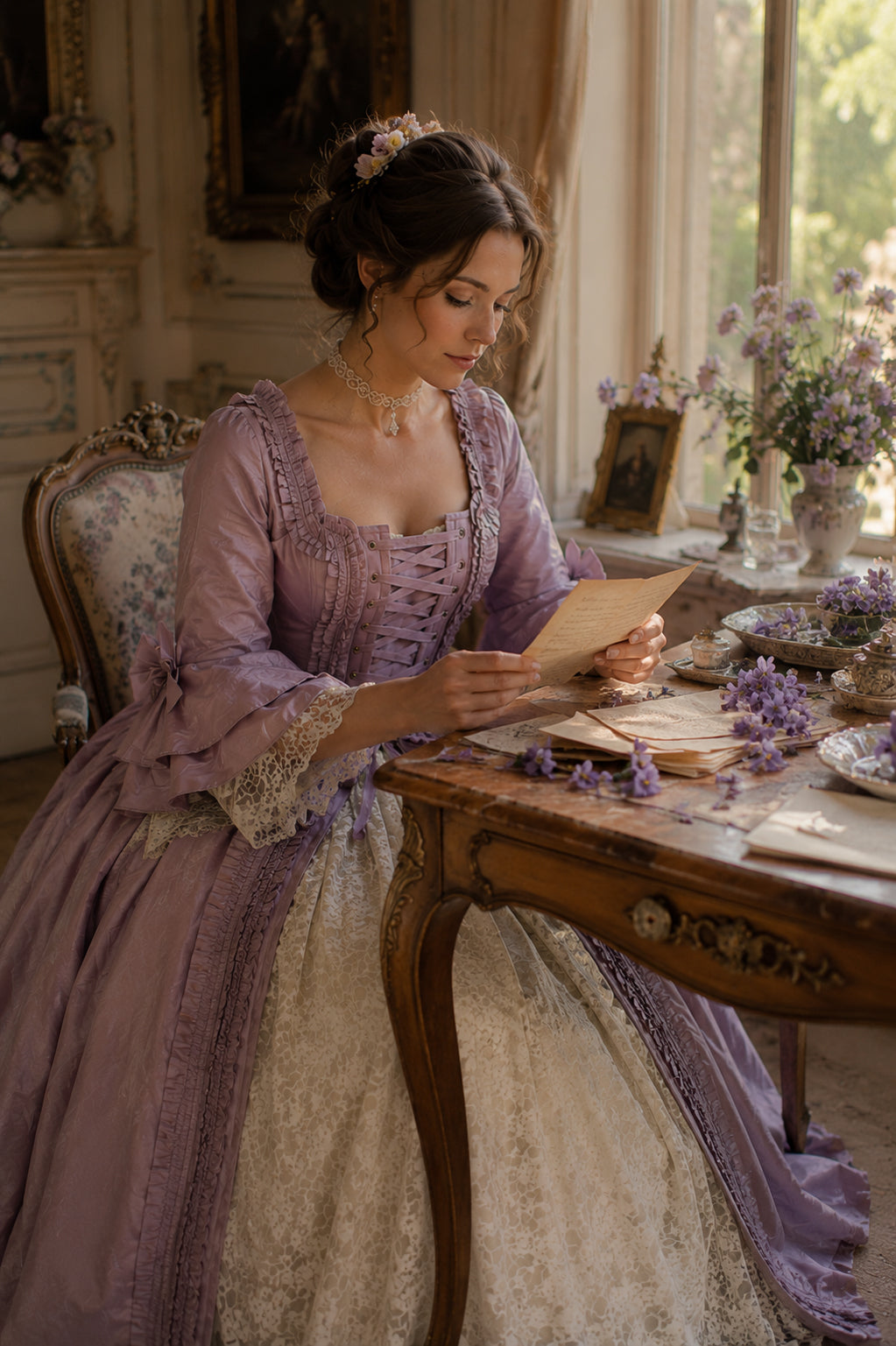
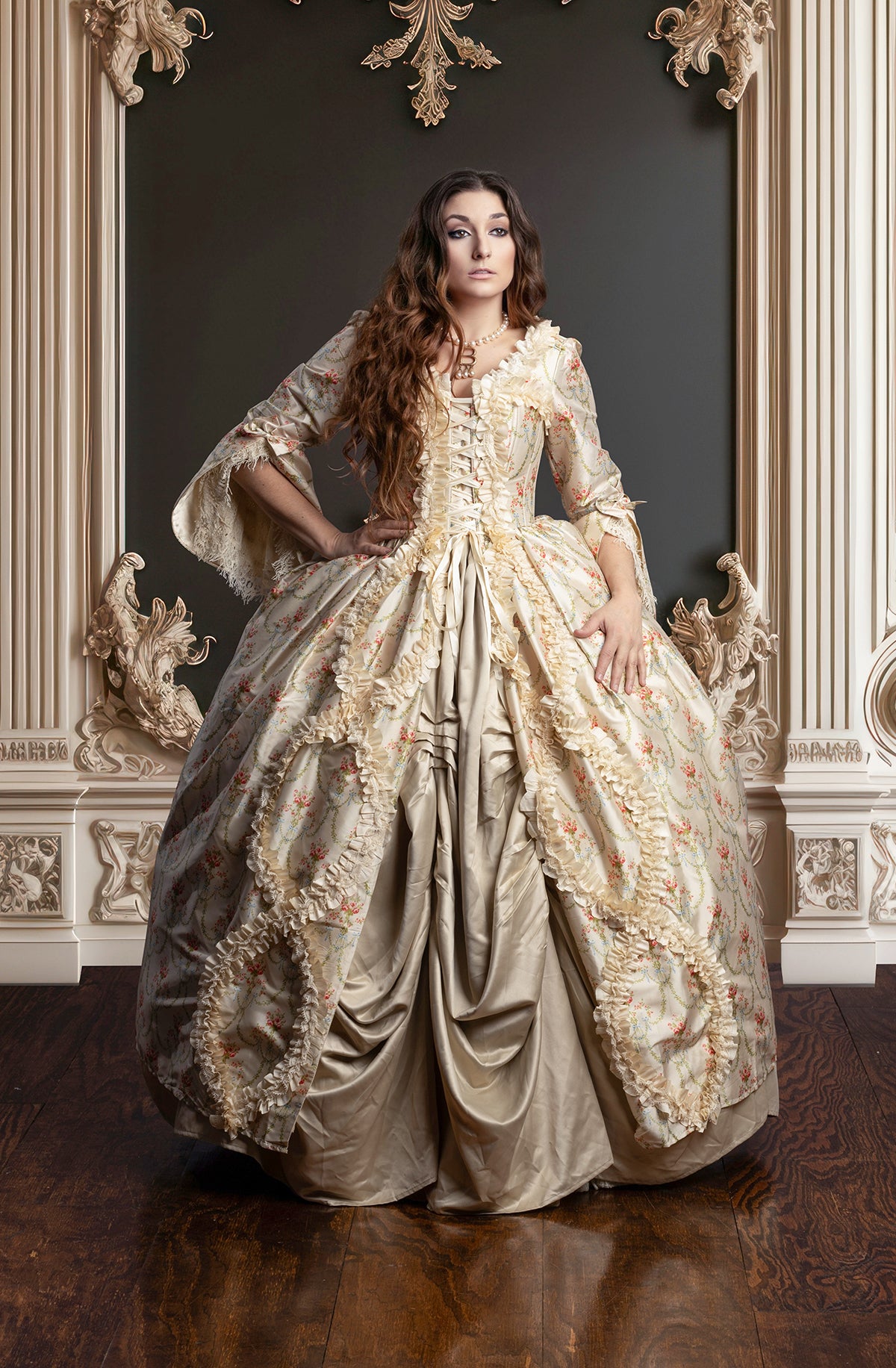
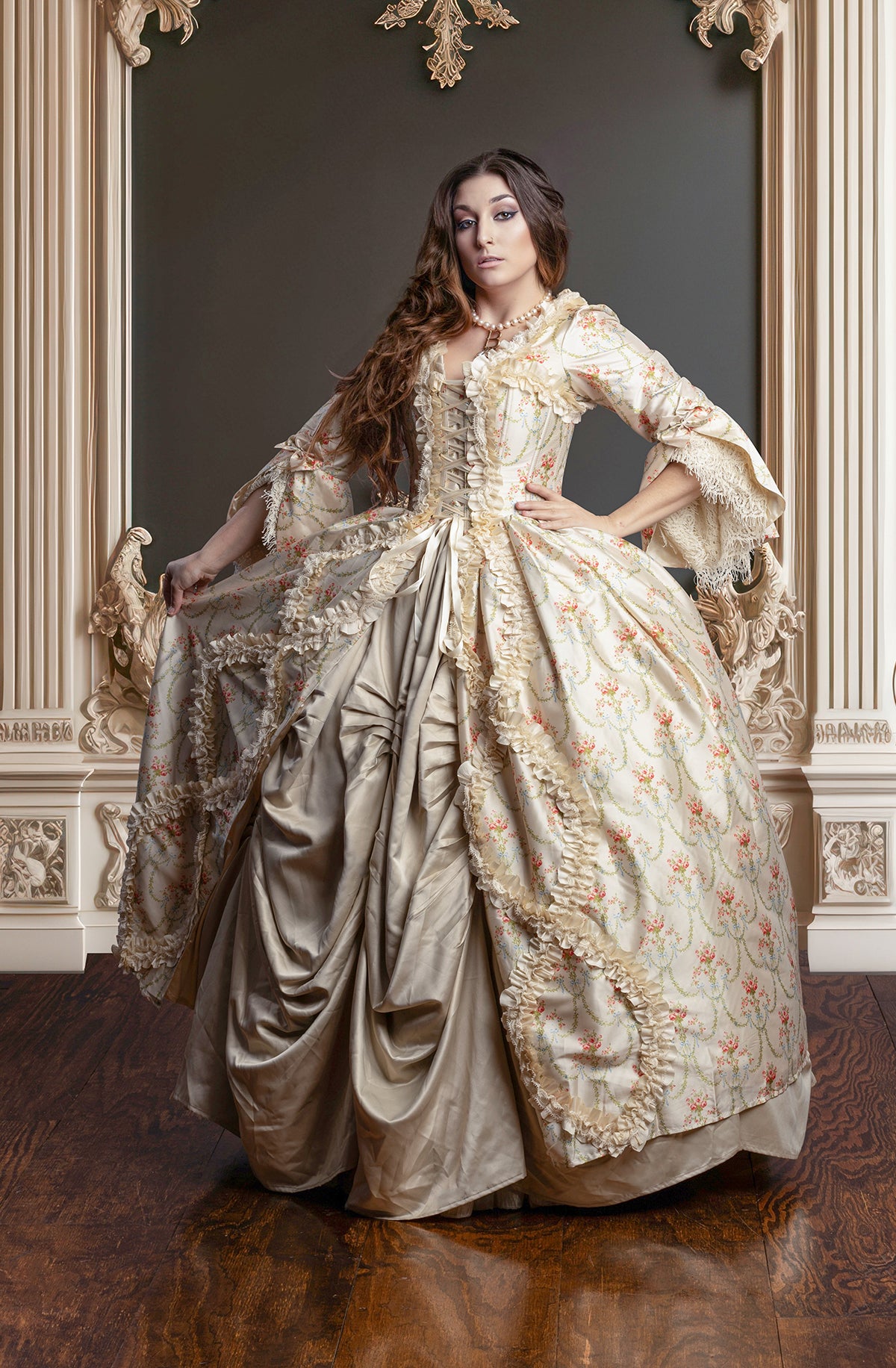
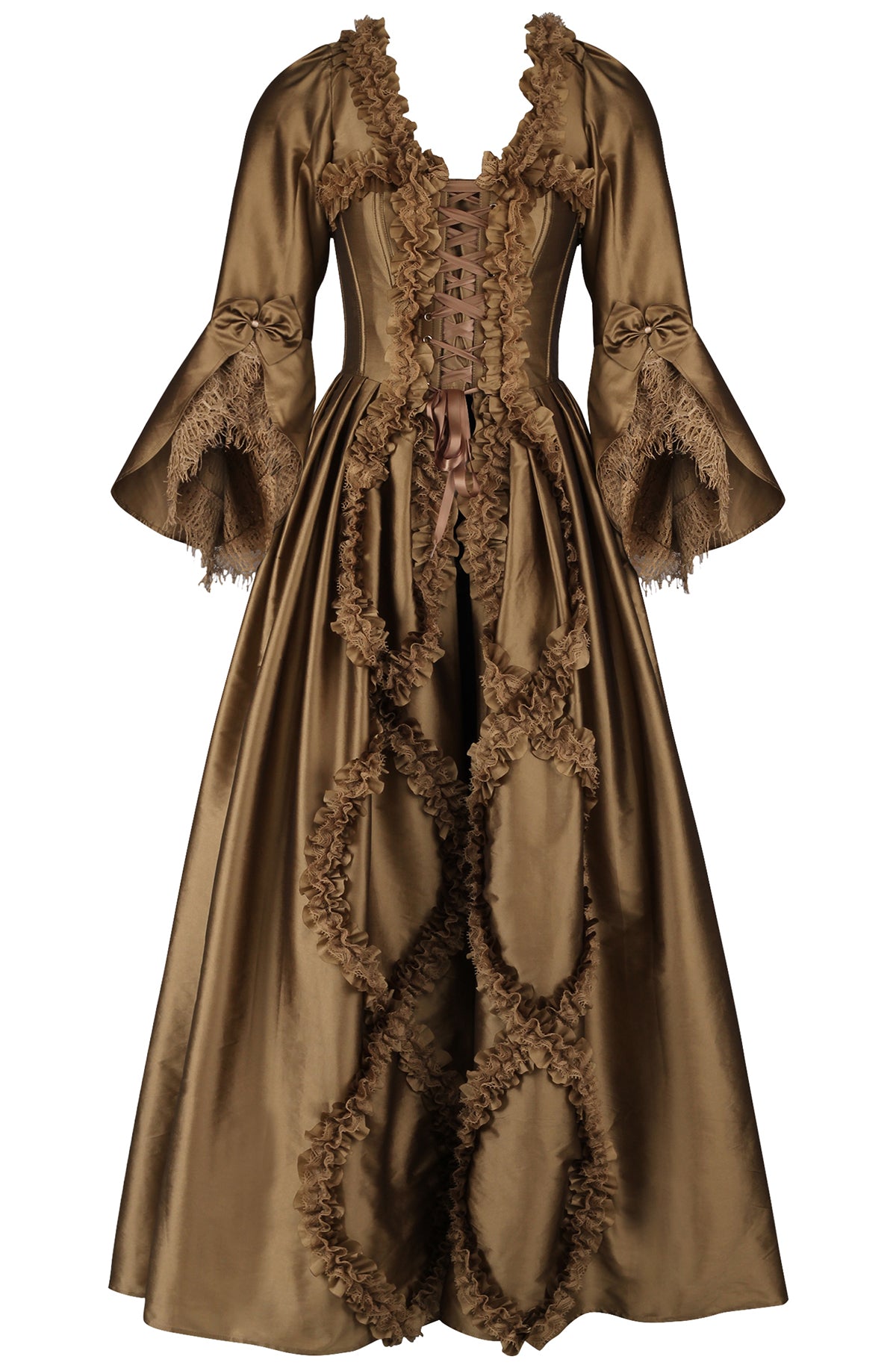
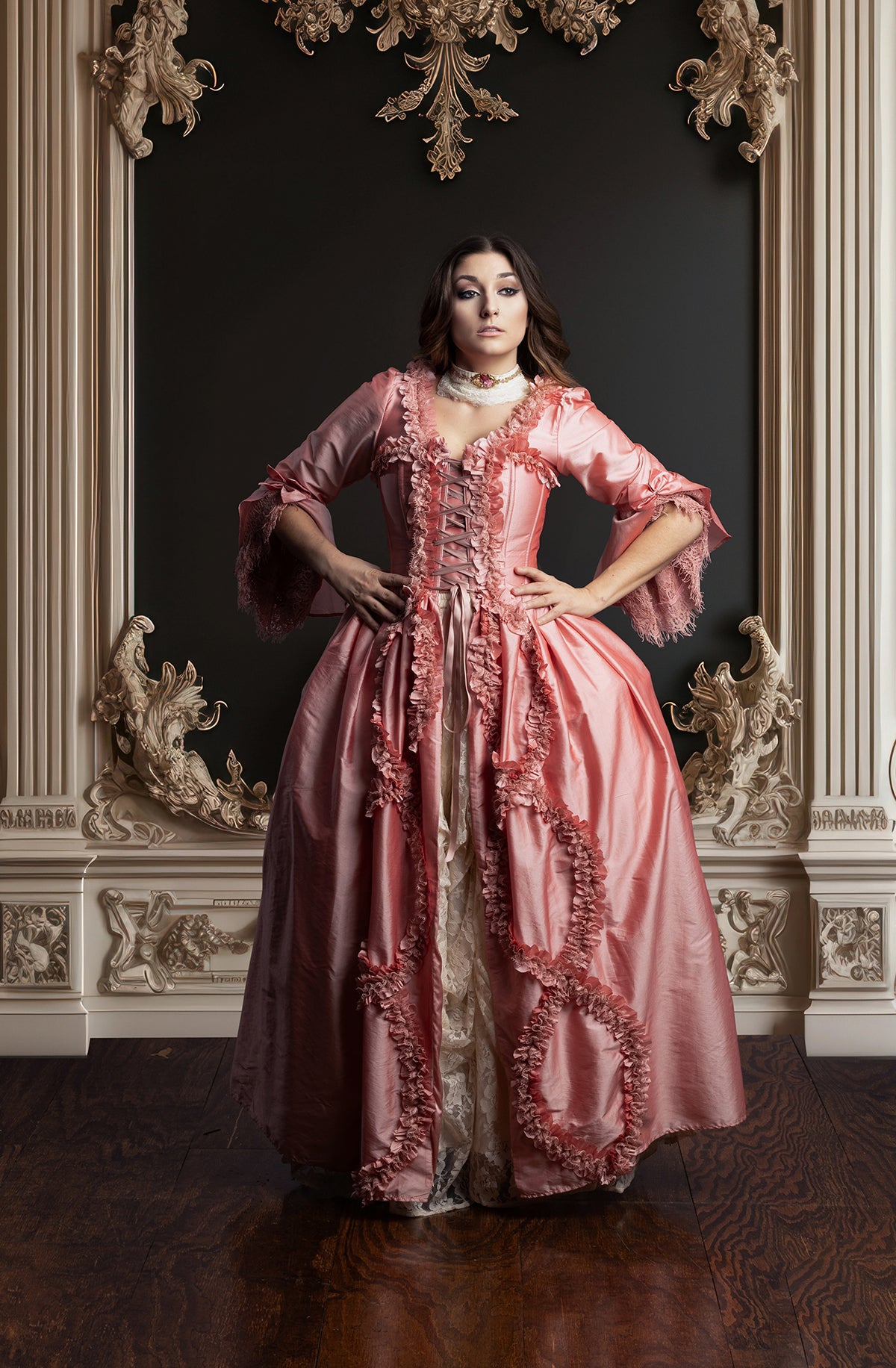
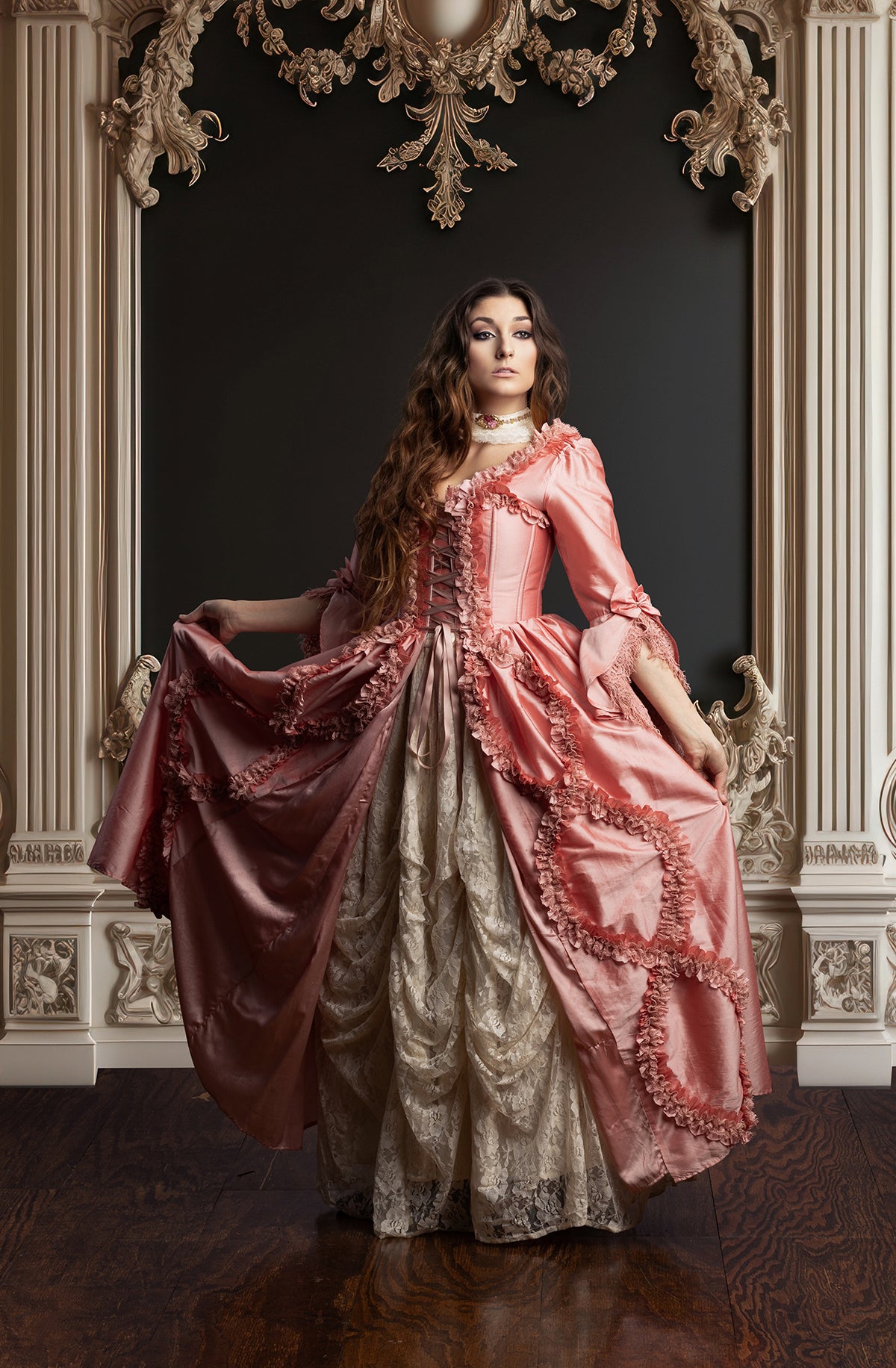
Marie Antoinette & Rococo Corset Gowns

The Immortelle
Society Papers
A record of dress, decorum, and the private languages of beauty.
The Immortelle Society Papers exist to observe what is worn, what is chosen, and what endures. Drawing inspiration from the salons, ateliers, and private correspondences of earlier centuries, The Immortelle Society Papers chronicle the intersections of history, design, and personal refinement. Each entry is composed with restraint and discernment, honoring the lineage of dress while allowing it to live, breathe, and evolve.
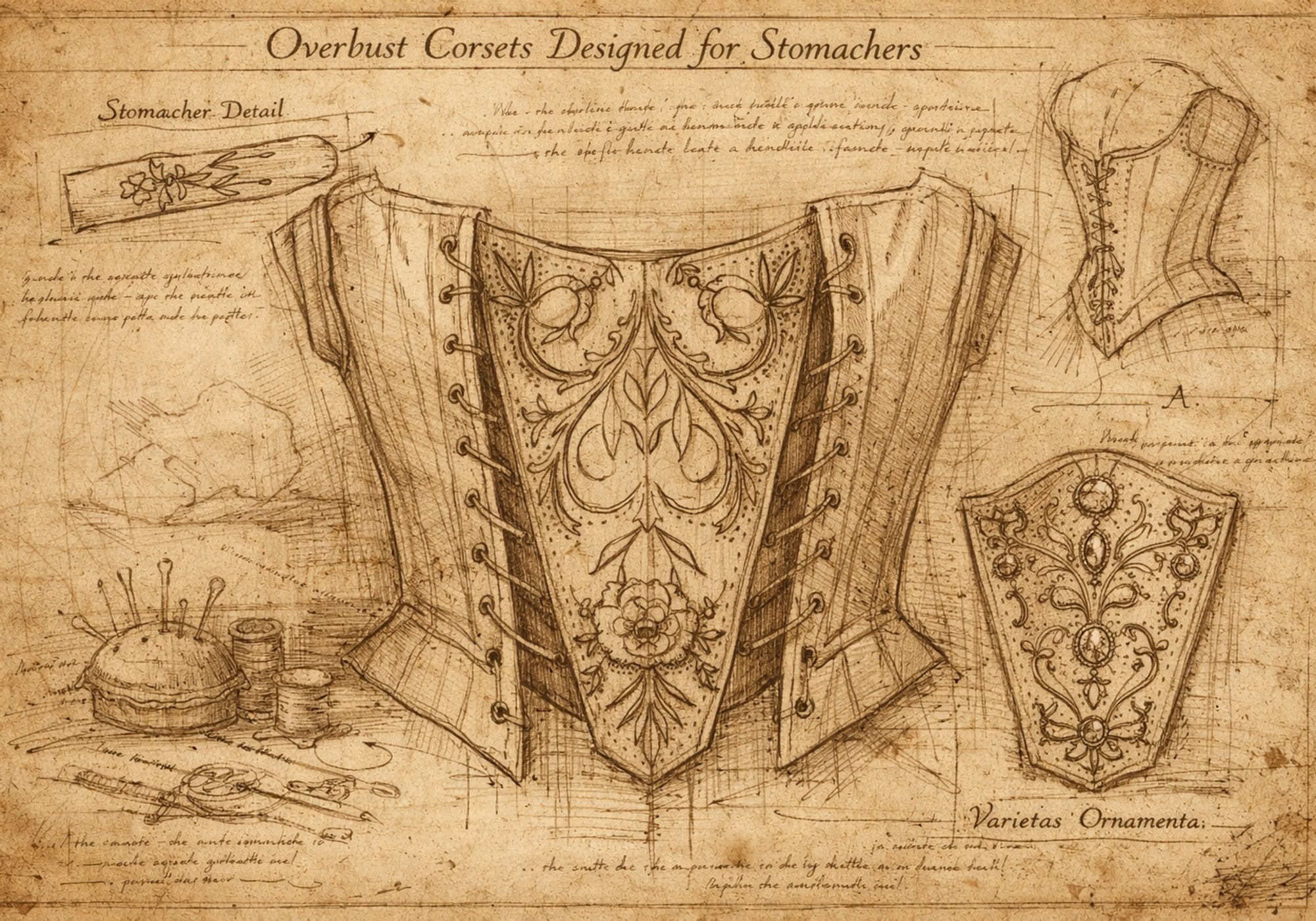
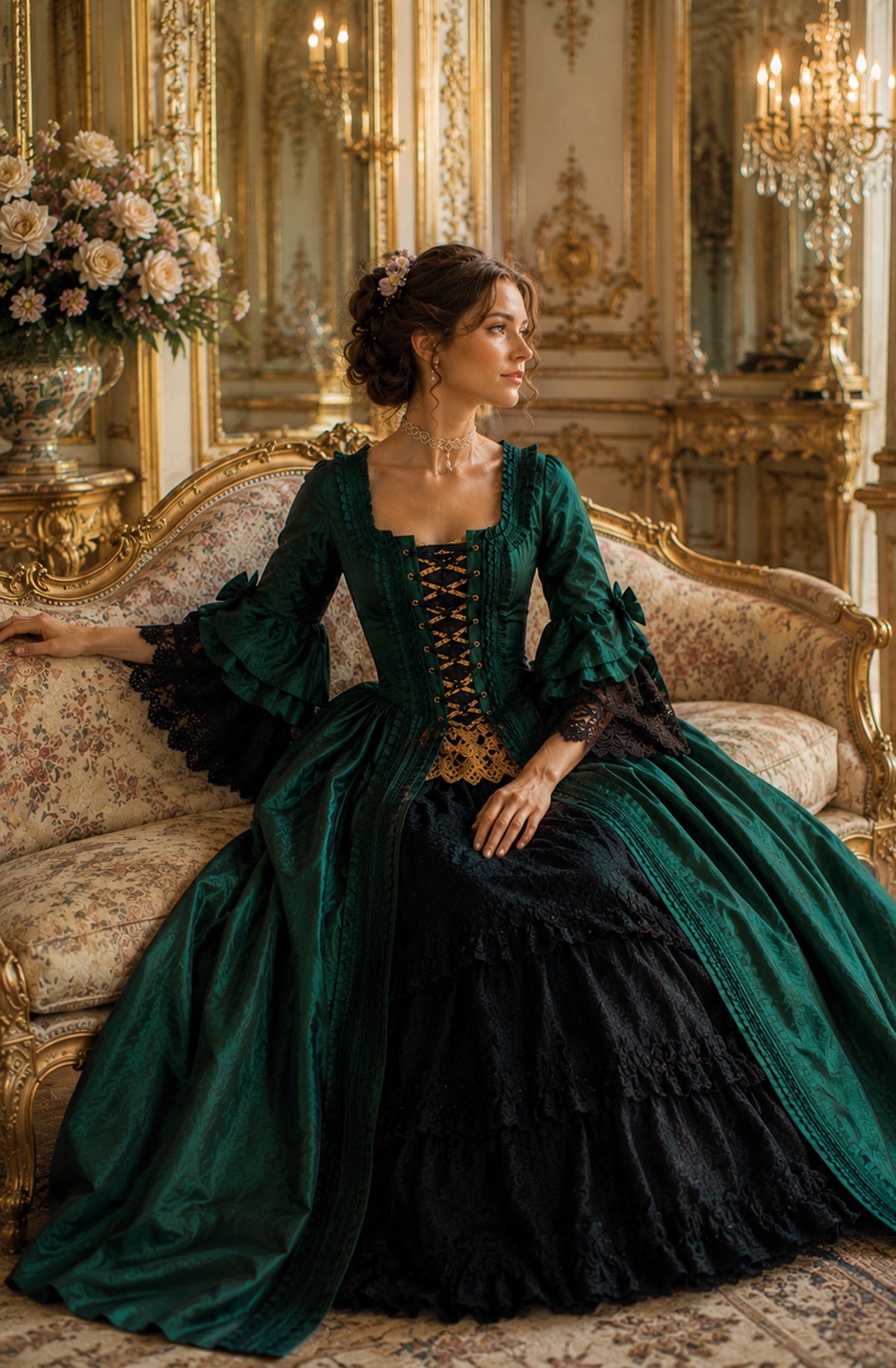
Overbust Corsets Designed for Stomachers
Immortelle overbust corsets are intentionally designed to accept stomachers, honoring a centuries-old tradition of modular European dress while offering modern versatility and refinement. Historica...
Read more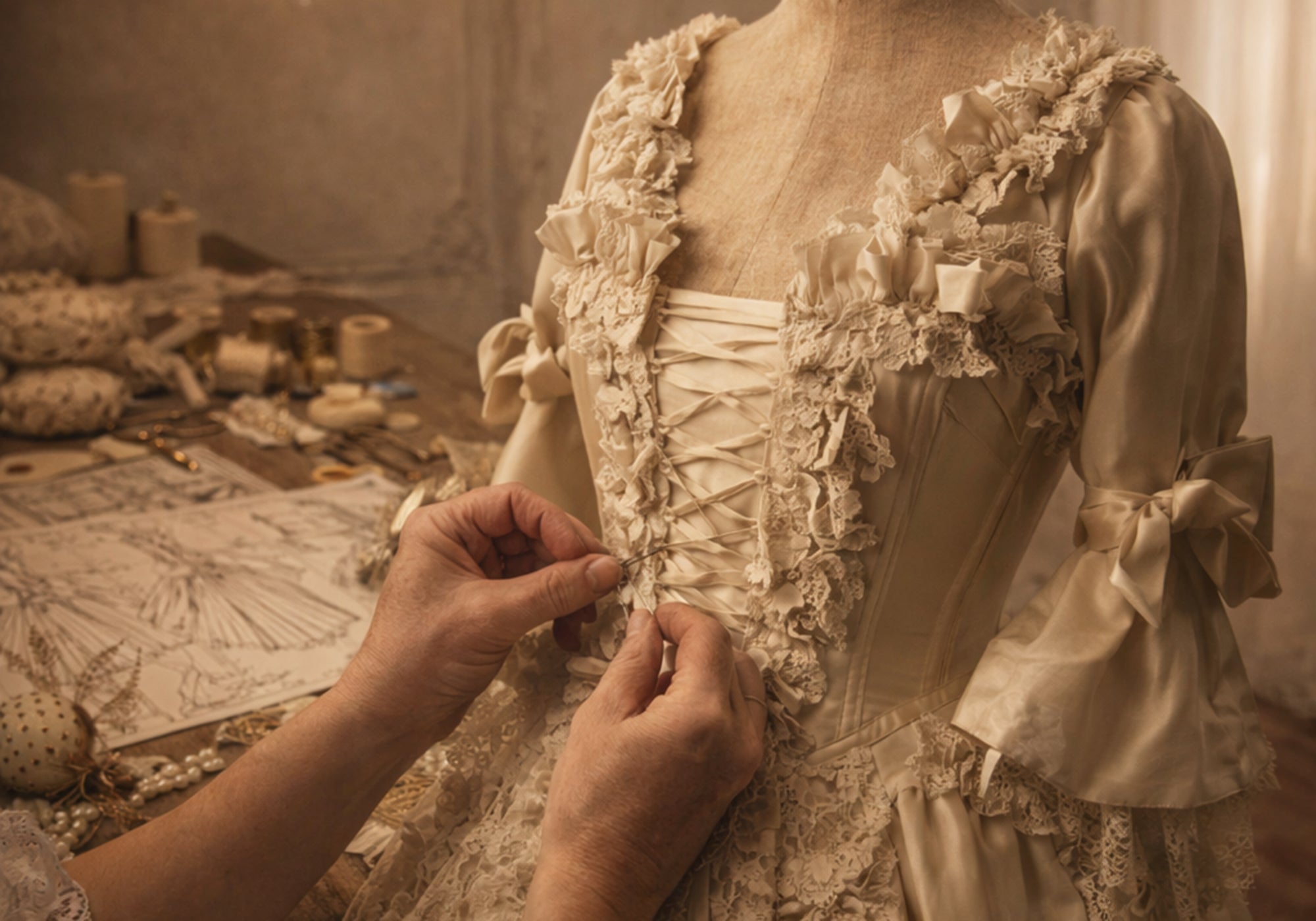
Corsetry as architecture. Dress as presence. An Immortelle gown is not a dress worn over a corset. It is a corset gown—conceived as a unified garment from the first line drawn. Structure and silhou...
Read more
The Early Years of Immortelle: 2022 — Resolve
If 2021 was the year Immortelle learned how to be seen,2022 was the year she learned how to stand when tested. This was a year that asked difficult questions — not of the work, but of its keeper. ...
Read more